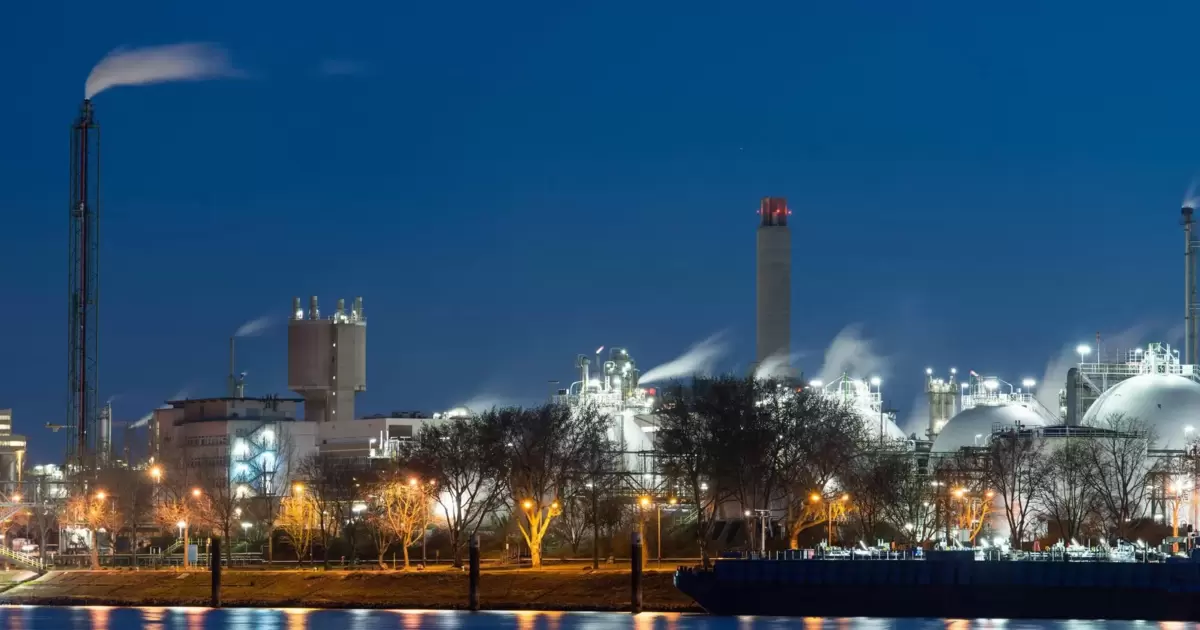
Navigating Risk: Understanding Multiple Injuries and Safety at BASF
As a global chemical giant, BASF operates on an immense scale, driving innovation and production that impacts countless industries worldwide. Yet, with operations of this magnitude come inherent risks, and even the most stringent safety protocols can't entirely eliminate the possibility of an unforeseen event. Recent reports highlight a series of incidents at BASF facilities, resulting in multiple BASF accidents and injuries to employees and external contractors alike. From complex rescue operations in elevator shafts to burns from hot water and chemical exposure, these events underscore the critical importance of workplace safety and the continuous efforts required to protect personnel in highly industrialized environments. The recurring theme of basf unfall verletzt emphasizes the ongoing challenge of maintaining an incident-free record.
Recent Incidents Spotlight: From Elevator Shafts to Scalding Injuries
The past year has seen a spectrum of incidents across BASF's German facilities, each presenting unique challenges and consequences for those involved. These events serve as stark reminders of the diverse risks present in large-scale industrial settings.
A Dramatic Elevator Shaft Rescue in Ludwigshafen
One of the more dramatic incidents unfolded on a Monday afternoon, March 31, at BASF's sprawling Ludwigshafen site. An external contractor, engaged in crucial revision and assembly work within the south section of the plant, was involved in a serious accident inside an elevator shaft around 5:50 PM. The specifics of how the incident occurred remain under investigation, but the gravity of the situation necessitated a swift and specialized response. The highly trained BASF plant fire department successfully extricated the injured worker. Following initial medical care by the BASF emergency services, the seriously injured individual was transported to a local hospital for further treatment. Authorities were immediately informed, initiating the standard investigation protocols to determine the cause and prevent future occurrences.
Scalding and Chemical Burns: The Hidden Dangers of Process Lines
Just a few months prior, on a Tuesday morning, January 27, two BASF employees sustained injuries from hot water at the Ludwigshafen plant's northern section. Engaged in repair work on a process line, the two individuals suffered burns from hot water. While the exact circumstances leading to the scalding were not immediately clear, such incidents highlight the inherent dangers of working with pressurized systems and high-temperature fluids. Both employees received on-site treatment from an emergency doctor before being taken to a nearby hospital. Furthermore, another reported incident from a previous July involved an employee suffering injuries from acid, underscoring the constant vigilance required when handling hazardous chemicals.
Deflagration in Lampertheim: A Sudden Industrial Burst
Adding to the list of recent incidents, a deflagration occurred at the BASF plant in Lampertheim on a Monday morning around 8:30 AM. This sudden, rapid combustion event at a filter in a facility producing plastic additives resulted in injuries to four individuals. While the severity of their injuries was not publicly disclosed, all four required hospitalization. Following the incident, the affected plant section was immediately shut down as a precautionary measure. Importantly, environmental monitoring conducted around the plant site detected no elevated measurements, ensuring that there was no wider hazard to the surrounding community. Such incidents, though confined, disrupt operations and require immediate attention to safety and environmental integrity.
BASF's Commitment to Safety: Goals, Progress, and Persistent Challenges
Acknowledging the inherent risks of its operations, BASF has long championed a robust approach to workplace safety, setting ambitious targets and implementing comprehensive programs. The company's commitment is epitomized by its "High-Severity Injuries" (HSI) target.
Ambitious Targets and Global Performance
BASF aims for a maximum of 0.05 HSI per 200,000 working hours by 2030, with a strong focus on preventing severe injuries and prioritizing human well-being from 2023 onwards. This goal reflects a dedication to continuous improvement in safety performance. Impressively, in 2023, BASF reported a global HSI rate of only 0.02 per 200,000 working hours, demonstrating significant progress towards their ambitious goals. This figure indicates that, statistically, severe injuries are rare occurrences across its vast global workforce.
The Shadow of Fatalities
However, even with these positive statistics, the reality of industrial operations can be unforgiving. In 2023, BASF tragically reported two fatalities. One occurred on a large construction site in Zhanjiang, China, while the second resulted from a traffic accident in Vietnam. These heartbreaking losses serve as a sobering reminder that while statistical improvements are vital, the ultimate goal remains zero harm. They underscore that safety challenges extend beyond the immediate plant environment, encompassing logistics, construction, and global operational complexities. The ongoing efforts around basf unfall verletzt aim to address all facets of potential harm.
Understanding the Dynamics of Industrial Accidents
Industrial accidents, even in highly regulated environments like BASF, are often multi-faceted events. They rarely stem from a single cause but rather a combination of factors, including technical failures, human error, procedural lapses, and unforeseen circumstances. In chemical production facilities, the stakes are particularly high due to the presence of hazardous materials, complex machinery, and high-pressure, high-temperature processes.
Maintenance and repair work, as seen in the scalding and elevator shaft incidents, are periods of heightened risk. These activities often involve decommissioning safety systems, working in confined spaces, or interacting with potentially unstable equipment. The involvement of external contractors, while essential for specialized tasks, adds another layer of complexity, requiring stringent coordination, comprehensive training, and clear communication of site-specific safety protocols. This is why a strong safety culture, where every individual, regardless of their employer, feels empowered and responsible for safety, is paramount. For more on how such incidents prompt deeper examination, read our article: BASF Workplace Safety Under Scrutiny After Latest Accidents.
Enhancing Safety: Proactive Measures and Continuous Improvement
Preventing industrial accidents requires a multi-pronged approach that evolves with technology and lessons learned from past events. Here are some key strategies and practical tips:
- Rigorous Risk Assessments: Before any work begins, especially maintenance or new projects, comprehensive risk assessments must identify all potential hazards and implement control measures.
- Robust Training Programs: All employees and external contractors must receive thorough, regular training on safety protocols, emergency procedures, and the specific hazards of their tasks. This includes practical simulations for scenarios like elevator rescues or chemical spills.
- Advanced PPE and Equipment: Ensuring the use of appropriate Personal Protective Equipment (PPE) and regularly maintaining machinery to prevent mechanical failures is critical.
- Clear Communication Channels: Effective communication between different departments, shifts, and between BASF staff and external contractors is vital to prevent misunderstandings that could lead to incidents.
- Incident Reporting and Analysis: A strong culture of reporting near misses and minor incidents, followed by thorough investigation and analysis, is crucial. Learning from every event, no matter how small, helps prevent larger ones.
- Technological Solutions: Investing in automation, remote monitoring, and advanced safety systems can reduce human exposure to hazardous environments.
- Emergency Preparedness: Regularly practicing emergency response plans, including evacuations, first aid, and specialized rescue operations, ensures rapid and effective action when incidents occur.
Despite these incidents, BASF's operations continue. The company also faces a leadership change, with the plant manager of its main plant set to depart in 2025 after a decade of service. This transition offers an opportunity to reinforce and potentially innovate safety strategies as the company moves forward.
Conclusion: The Unending Pursuit of Zero Harm
The recent series of incidents at BASF, from an elevator shaft rescue to scalding injuries and a deflagration, highlight the persistent and varied challenges inherent in large-scale chemical manufacturing. While BASF demonstrates a clear commitment to safety through ambitious HSI targets and robust safety programs, the occurrence of injuries and even fatalities underscores that the pursuit of zero harm is an unending journey. Each incident serves as a critical learning opportunity, reinforcing the need for continuous vigilance, rigorous adherence to safety protocols, and an unwavering focus on the well-being of every individual on site. For a company of BASF's stature, maintaining exemplary safety standards is not just a regulatory requirement but a fundamental ethical imperative, ensuring that innovation and production go hand-in-hand with the highest commitment to human safety. The phrase basf unfall verletzt will hopefully become a rare occurrence as safety measures continue to evolve and strengthen.